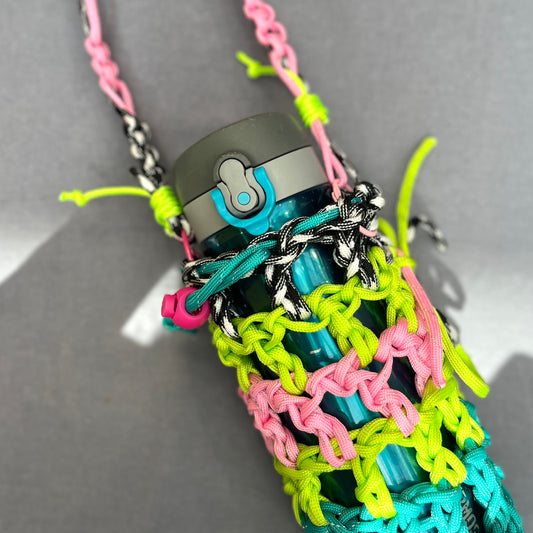
Morning light changes the city’s mood. It flashes off bike frames, windshields, storefront glass. People move with purpose, each carrying a handful of essentials that keep the day running. A bag packed the night before. Keys dropped into the same pocket as always. Headphones, wallet, phone. Ordinary objects that do quiet work in the background, keeping the rhythm intact.
There’s comfort in the ritual. You check what you can see and touch. You know where everything is. The zipper closes. The strap sits right on your shoulder. You step outside feeling ready.
What’s less obvious are the things you rely on without ever packing them. The systems that hum in the background. The shared understanding that traffic lights mean something, that lanes have order, that other people will do their part. City life runs on visible effort and invisible agreements.
Most days, that’s enough.

The Things We Choose to Carry
City living has a way of teaching you to edit. You learn quickly that what you bring with you shapes how the day unfolds. A well-sized bag makes room for the essentials without weighing you down. A sturdy lock buys peace of mind. Even the simple habit of charging your phone before leaving becomes part of your personal infrastructure.
These choices aren’t random. They reflect how you move through the world. Someone who cycles daily packs differently than someone who drives. Someone juggling work, errands, and plans across town carries a different set of tools than someone heading straight home. Over time, the list gets sharper. You cut what you don’t use. You keep what earns its place.
There’s a quiet satisfaction in that refinement. It signals control. You’ve anticipated the obvious needs and accounted for them. If it rains, you’ve got a layer. If plans change, you have flexibility. Preparation starts to feel like a kind of calm.
Yet even the most carefully packed bag can’t account for everything. Some of what protects you never fits inside a pocket.
The Systems We Rely On Without Seeing
Beyond what we physically carry, there’s another layer holding city life together. Traffic lights change on cue. Street signs mark boundaries. Lanes suggest order. Insurance laws require drivers to carry coverage. The road can feel structured because, in theory, everyone has agreed to the same baseline.
That shared agreement keeps things steady. When your light turns green, you move because you expect cross traffic to stop. When you merge, you assume the other driver has met the same legal requirements you have. Daily movement depends on shared participation.
But participation isn’t universal. Some drivers carry the legal minimum. Some carry less than they should. Some carry nothing at all.
That’s where invisible safeguards begin to matter. Many drivers add uninsured motorist coverage to their auto policies as a way to protect themselves if the person who hits them doesn’t have insurance. It sits quietly in the background, rarely discussed, rarely celebrated, yet deeply consequential when something goes wrong.
You don’t feel it while driving. You won’t see it listed on a dashboard. Still, it can determine whether an unexpected accident becomes a manageable disruption or a long-term financial strain.
When Assumptions Meet Reality
It’s easy to believe the system works because it usually does. Most trips end without incident. Most drivers follow the law. Most policies sit untouched in a glove compartment, automatically renewed each year.
The trouble is that “most” isn’t the same as “all.”
A closer look at uninsured-driver rates by state shows that a significant percentage of drivers in the United States are uninsured, and the numbers swing widely depending on where you live. In some places, the rate is higher than many people expect. Sharing the road means sharing it with drivers who may not be financially prepared for the damage they could cause.
That reality changes the math. You can follow every rule, keep your vehicle maintained, and drive attentively. Yet the financial outcome of an accident can hinge on someone else’s decisions.
When an uninsured driver causes a collision, medical bills, lost wages, and repair costs don’t disappear. They simply lack an obvious source of payment. That gap between responsibility and reality is where stress builds. It’s also where preparation proves its value.
The city runs on shared trust. Trust helps traffic flow. It doesn’t pay for repairs.
Carrying Protection You Can’t See
Most of us think about insurance in broad strokes. Liability. Collision. Comprehensive. The words blur together after a while, filed away as something responsible adults are supposed to have. Few people revisit the details unless a renewal notice arrives or a premium jumps.
Policies are layered, much like the items you choose to carry each day. Some layers handle damage to your vehicle. Some address injuries you may cause to someone else. Others exist to protect you from risks created by drivers who haven’t prepared the same way.
Quiet preparation makes a difference here. A quick review of your policy can reveal whether it matches the road you actually drive on. Dense traffic. High repair costs. Rising medical expenses. The kind of everyday reality that turns a minor incident into an expensive problem.
Protection that sits in the background rarely gets attention. It doesn’t ask for daily upkeep. It doesn’t announce itself. Yet when something unexpected interrupts the rhythm of city life, those invisible layers often decide whether you recover quickly or carry the financial weight for months.
Thoughtful living extends beyond what fits inside a bag. It includes the structures you build around your life, the safeguards you choose long before you need them.
Choosing What You Carry Forward
City life rewards intention. Over time, you learn which habits make your day smoother and which details are worth the extra thought. A well-packed bag becomes second nature. Locking your bike twice takes seconds. Saving emergency contacts in your phone feels routine. These choices don’t slow you down. They steady you.
Financial preparation works the same way. It lives quietly in the background, rarely visible, rarely discussed in casual conversation. Yet it shapes how resilient you are when plans unravel. A sudden accident doesn’t just disrupt your schedule. It tests the systems you’ve built around yourself.
The way people think about functional gear reflects this mindset. Many see cycling bags as part of a broader lifestyle movement, where design supports the rhythm of everyday travel rather than interrupting it. The same philosophy applies to the less visible layers of protection in your life. You choose what supports your routines, your risks, your reality.
Taking an hour to review a policy may not feel as tangible as choosing a new bag or upgrading your lock, but the principle is familiar. You’re deciding what kind of safety net supports your daily movement. You’re deciding how much uncertainty you’re willing to absorb on your own.
There’s a certain confidence in knowing you’ve accounted for more than the obvious. The city will always carry unpredictability. That won’t change. What can change is how prepared you are to absorb the impact when someone else falls short.
Some essentials live in your hands. Others live in the fine print. Both travel with you every time you step onto the road.