From homemade sourdough and muddy woodland walks to buying second-hand, growing vegetables and repairing things instead of replacing them. Perhaps the hippies were onto something after all.
There was a time when being described as a bit granola might have been considered slightly embarrassing. It conjured up images of sandal-wearing hippies, homemade yoghurt, questionable herbal remedies, tie-dye clothing and people who probably lived in a yurt.
Fast forward to 2026 and suddenly being granola seems rather appealing.
We're seeing a renewed interest in making things from scratch, buying pre-loved clothes, growing our own food, spending time outdoors, learning practical skills and generally questioning the relentless convenience culture we've become accustomed to.
The granola mum, granola dad and crunchy family have become recognisable characters in internet culture. But perhaps we should stop treating them as slightly eccentric lifestyle stereotypes and start asking ourselves whether they have something right.
Because in a world of endless scrolling, fast fashion, food delivery apps, disposable products, algorithm-driven shopping and increasingly busy lives, perhaps what we need isn't another technological innovation or productivity hack.
Perhaps we just need to get a little more granola.

First, what exactly does granola mean?
The word granola originally refers to a breakfast cereal made from oats, nuts, seeds and dried fruit. But its association with alternative lifestyles dates back to the 1960s and 1970s.
During the American counterculture movement, granola became popular among hippies and people embracing more natural, environmentally conscious and alternative ways of living.
These communities were interested in organic food, vegetarianism, communal living, self-sufficiency, environmentalism and rejecting excessive consumerism. They often favoured making things themselves, growing food, repairing possessions and living more simply.
Over time, describing someone as 'granola' became shorthand for someone who was a little alternative, outdoorsy, health-conscious and perhaps slightly hippie.
Today, the expression has evolved into a much broader lifestyle identity.
A granola mum might make homemade bread, use reusable nappies and take her children camping. A granola dad might grow vegetables, cycle everywhere and know how to repair almost anything. A granola family might spend weekends hiking, shopping at farmers' markets and making things together.
And you don't have to be a parent to qualify. Granola living is really about a collection of values that anyone can embrace.
There are even different degrees of granola. The internet has coined the expressions crunchy, silky and scrunchy parenting. Crunchy parents lean towards natural and alternative lifestyles, silky parents embrace modern conveniences, and scrunchy parents sit somewhere in the middle, combining the two.
Personally, the scrunchy approach sounds pretty sensible. We don't need to reject everything modern to appreciate some older-fashioned ways of living.
Why is granola suddenly relevant again in 2026?
I don't think the renewed interest in granola living is entirely coincidental.
We've spent decades being encouraged to consume more, do things faster, upgrade more frequently and outsource almost every aspect of daily life.
Convenience has become the ultimate selling point. We can have groceries delivered within minutes, buy an entirely new wardrobe without leaving the sofa, order dinner without speaking to anyone and spend hours watching other people live their lives through a screen.
And yet, somewhere along the way, we've become increasingly interested in doing the opposite.
Buying second-hand is no longer something to be embarrassed about. Repairing clothes and furniture is becoming fashionable. Farmers' markets, allotments, craft workshops, vintage shops and outdoor activities all offer an alternative to the endless cycle of buying and consuming.

There are practical reasons for this, too. The cost of living has made people more resourceful, while growing environmental concerns have encouraged us to question the impact of our everyday choices.
A 2026 McKinsey consumer report found that 82% of consumers globally say they are using items for longer before replacing them, while 69% report repairing products rather than discarding them. These are interesting signs of a shift towards more resourceful consumption.
The 2026 eBay Recommerce Report also found that 47% of surveyed consumers buy second-hand goods at least monthly, compared with 35% in 2025.
Perhaps what we're seeing isn't simply a nostalgic return to hippie culture. It's a reaction to a way of living that has become increasingly unsatisfying.
And maybe the granola lifestyle offers a rather attractive alternative.
1. Buy less, make more, repair things
One of the most appealing things about the original granola philosophy is its rejection of unnecessary consumption.
Instead of buying something new every time we need something, why not make, mend, borrow, swap or buy it second-hand?
We have become accustomed to replacing things rather than repairing them. Clothes develop holes and get thrown away. Furniture gets replaced because it's no longer fashionable. Gadgets are upgraded long before they stop working.
But there is something satisfying about extending the life of the things we already own.
Learn to sew a button back on. Fix a bicycle puncture. Turn an old shirt into a cushion cover. Give a piece of unwanted furniture a new lease of life. Find something interesting in a charity shop rather than buying another mass-produced item.

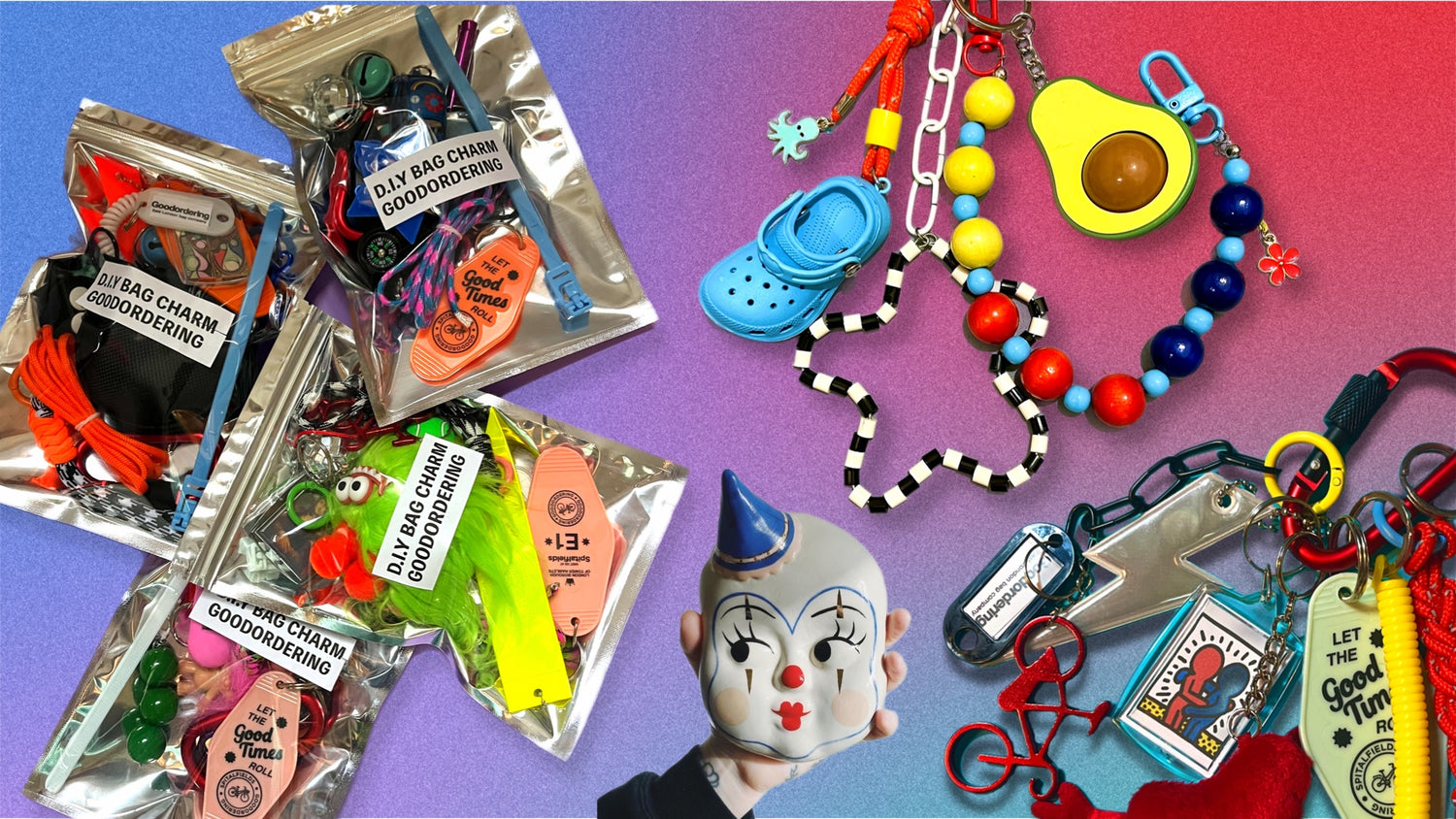
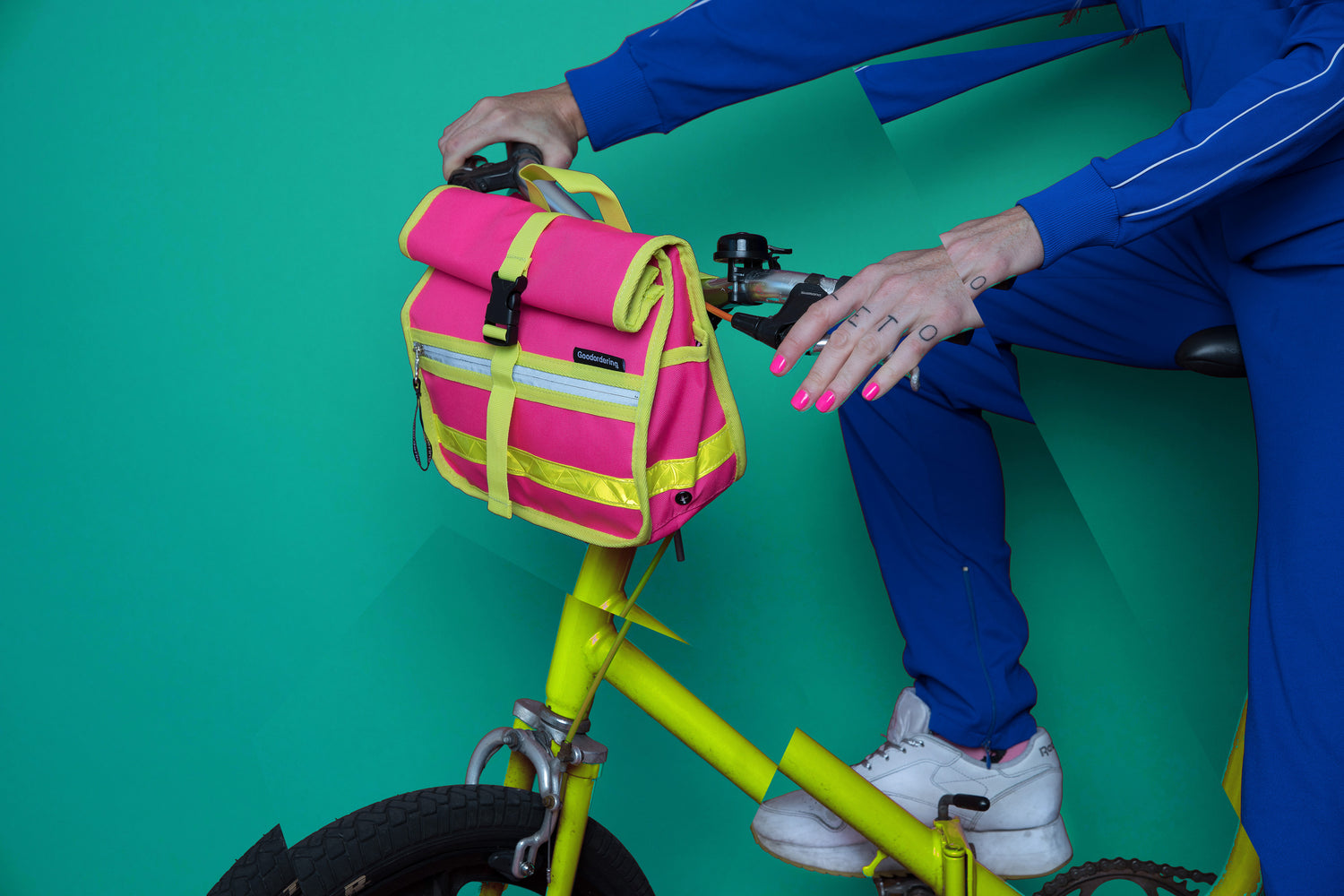
Upcycling and making things from discarded materials can be particularly rewarding because they encourage us to see potential in things that other people might consider waste. At Goodordering, i sell brand new cycling bags as well as upcycled vintage travel bags that i have given a new lease of life to. You can see them here.
The popularity of second-hand shopping and resale platforms suggests that this way of thinking is already becoming more mainstream.
Oxfam's 2026 State of Style report highlights how much clothing is bought, left unworn and discarded, making a strong case for repairing, reusing and choosing individual style over constantly following trends.
Perhaps we should stop asking what's new and start asking what we can do with what we've already got.
2. Get outside. Really outside.
When was the last time you spent an entire afternoon outdoors without checking your phone?
Not sitting in a beer garden looking at Instagram. Not walking somewhere while listening to a podcast. Just being outside.
Going for a walk, riding a bicycle, climbing a hill, swimming in the sea, gardening or simply sitting under a tree.
One of the most recognisable characteristics of granola living is a genuine appreciation of the outdoors.
There is something rather wonderful about getting muddy, coming home with cold hands, discovering a new walking route or spending an afternoon somewhere with no particular agenda.
It doesn't have to involve an expensive outdoor holiday or a complicated itinerary. A local park, canal path, allotment or patch of woodland will do.
This is particularly important for children. There's a whole world of entertainment available through screens, but it can't quite replicate the experience of building a den, climbing a tree, collecting interesting stones or riding a bike until the streetlights come on.
The UK's People and Nature Survey, covering April 2025 to March 2026, found that 84% of adults who had visited a green or natural space in the previous fortnight agreed that being in nature made them very happy. The vast majority also recognised benefits for their physical and mental health.
We don't necessarily need to book another activity, buy another toy or find another indoor attraction.
Sometimes the best thing we can do is go outside.
3. Learn to make things again
Making things is perhaps one of the most underrated pleasures of everyday life.
We've become very good at buying finished products but perhaps less confident when it comes to making them ourselves.
Think about how many skills have gradually disappeared from everyday life. Sewing, knitting, gardening, baking, preserving food, basic woodworking, mending clothes and repairing household objects.
These aren't necessarily difficult skills, but they require time, patience and a willingness to get things wrong occasionally.
There is something particularly satisfying about producing something with your own hands.
Making a birthday cake rather than buying one. Growing tomatoes on a balcony. Knitting a scarf. Making Christmas decorations. Learning to crochet. Baking bread that doesn't necessarily look like the photograph in the recipe.
And you don't need to be particularly talented. The point is to enjoy the process.
Crafts and DIY activities also offer a welcome break from passive screen time. They give us something tangible to focus on, and the result is something we can actually use, wear, eat or give to someone else.
Perhaps we should spend a little less time watching tutorials about other people's creative projects and a little more time attempting our own.
4. Eat real food and rediscover the kitchen
Another big part of the granola lifestyle is food.
Homemade granola, sourdough, fermented vegetables, homemade soups, seasonal fruit, farmers' markets and vegetables grown in the garden.
It sounds rather wholesome, doesn't it?
Of course, there is no need to become obsessed with organic ingredients, eliminate every processed food or spend your entire Sunday preparing meals for the week.
The point is simply to reconnect with what we eat and where it comes from.
Cooking is a practical skill, but it is also a creative and social activity. Preparing food together, trying new ingredients, making something from leftovers and eating around a table are all simple ways to bring a little more enjoyment into everyday life.

Growing even a small amount of food can change the way we think about ingredients. A handful of homegrown herbs, some tomatoes on a balcony or a few strawberries in a garden pot can be surprisingly rewarding.
And seasonal food offers a connection to the time of year that is easily lost when everything is available in supermarkets all year round.
Perhaps we don't all need to become sourdough experts, but learning to cook a few things from scratch seems like a rather good idea.
5. Be a little less dependent on technology
This is probably the most difficult part of modern granola living.
Technology has become so embedded in everyday life that it's increasingly difficult to imagine being without it.
Our phones tell us where to go, what to buy, what to watch, what to eat and sometimes even what to think. Social media algorithms constantly feed us new trends, products and things we apparently need.
And while technology brings enormous benefits, it's worth considering how much of our time and attention we give away to it.
Granola living offers an alternative: more real-world experiences and fewer digital distractions.
Read an actual book. Go for a walk without checking your phone every five minutes. Have a conversation without looking at a screen. Play a board game. Make something. Go cycling. Spend an afternoon gardening.
For parents, it can also mean creating more opportunities for children to entertain themselves without relying on a device.
This isn't about becoming anti-technology. It's about making sure technology serves us rather than the other way around.
Perhaps the ultimate granola achievement in 2026 is managing to spend an entire Sunday without knowing what is trending on TikTok.
6. Reconnect with people and communities
Another aspect of the original counterculture movement was the idea of community.
People shared resources, skills, food and knowledge. They made things together, helped each other and often placed greater importance on collective experiences than individual possessions.
There is something worth rediscovering here.
Modern life can be surprisingly isolating. We might communicate with hundreds of people online but know very little about the neighbours living a few doors away.
Granola living encourages us to reconnect with our immediate surroundings.
Visit a local farmers' market. Join a community garden. Attend a repair café. Organise a clothes swap. Learn a craft with other people. Borrow something from a neighbour rather than buying it.
These small interactions can help create a stronger sense of belonging.
And they don't have to be organised around sustainability. Sometimes it's simply about spending time together, sharing skills and making everyday life a little more sociable.
Perhaps we should be less interested in building an online community of followers and more interested in knowing the people who live around us.
7. Buy things that last and develop your own style
Granola style has always had a slightly individual quality.
Vintage fleeces, well-worn walking boots, second-hand jumpers, canvas bags, practical cycling clothes and things that have been repaired rather than replaced.
It's not necessarily about looking fashionable. In fact, the appeal is partly that it doesn't look as though too much effort has gone into it.
There is a growing argument for moving away from trend-driven consumption and developing a more personal relationship with the things we own.
Instead of buying clothes because an algorithm tells us they're fashionable, perhaps we should buy things because we genuinely like them, they are useful and we intend to keep them.
The same applies to bags, shoes, furniture and everyday accessories.
Choose things that work hard, last well and can be repaired. Look for interesting vintage finds. Support independent makers. Buy fewer things but choose them more carefully.
And don't underestimate the pleasure of owning something that has a bit of history behind it.
A well-used bag, a repaired jacket or a piece of furniture passed down through a family can be far more interesting than something brand new.
8. Rediscover the joy of doing nothing
Perhaps the most important part of the granola philosophy is also the simplest.
Slow down.
We've become accustomed to filling every available moment with something productive. Even our leisure time can become a series of activities to organise, photograph and share.
But what if we occasionally did absolutely nothing?
Sit in the garden. Watch the birds. Read a book. Have a long lunch. Go for an aimless walk. Spend an afternoon making something without worrying about the finished result.
Slow living isn't about being lazy or rejecting ambition. It's about recognising that not every moment needs to be optimised.
There is value in unstructured time, particularly for children, who benefit from opportunities to explore, imagine and entertain themselves.
Maybe we don't need to make every weekend memorable. Maybe an ordinary afternoon spent doing very little is quite enough.
The slightly uncomfortable truth about being granola
Of course, there is a contradiction at the heart of the modern granola movement.
A lifestyle that originally represented a rejection of consumerism has become an aesthetic that can be bought.
There are expensive organic products, designer reusable water bottles, premium outdoor clothing, aesthetically pleasing kitchen accessories and endless social media accounts showing us how to live a more natural life.
You can apparently buy your way into being granola, which rather misses the point.
It's also important to recognise that not everyone has the time, money, space or circumstances to make everything from scratch, buy organic food, grow vegetables or spend weekends in the countryside.
Sustainable living shouldn't become another source of pressure or a competition over who can be the most wholesome.

There is also a difference between embracing natural living and assuming that natural products or alternative health practices are automatically safer or better. Evidence-based healthcare, modern medicine and scientific progress are things worth celebrating.
We don't need to reject the modern world to rediscover some of the good things about the past.
And perhaps that's the most important distinction.
Being granola isn't about following a strict set of rules. It's about making more thoughtful choices where we can.
So, should we all be a little more granola?
I think so.
Not necessarily the full version involving homemade toothpaste, a composting toilet and a family of barefoot children living off-grid.
But perhaps we could all benefit from making a few small changes.
Buy something second-hand. Learn to sew. Grow some herbs. Make a cake. Repair a bicycle. Take a longer walk. Spend less time scrolling. Teach a child how to make something. Visit a local market. Get muddy. Borrow rather than buy. Cook together. Spend an afternoon outdoors.
None of these things is particularly revolutionary, and that's rather the point.
Many of the ideas associated with granola living are not new, expensive or complicated. They are simply practical, enjoyable ways of engaging with the world around us.
The 1960s hippies might not have had all the answers, but perhaps they understood something that we've gradually forgotten: a good life isn't necessarily about having more things, doing more things or keeping up with everyone else.
It's about having the time and freedom to enjoy the things that matter.
So here's to more homemade food, more second-hand finds, more muddy walks, more making and mending, more community and a little less screen time.
Maybe the future isn't about becoming more technologically advanced, more productive or more connected to the internet.
Maybe, in some ways, it's about becoming a little more old-fashioned.
Let's all be a bit more granola.