What is Bike Packing?
Bike packing is a form of lightweight cycle touring that combines cycling with camping and self-sufficient travel. Unlike traditional touring, which often uses panniers and racks, bike packing typically involves soft, compact bags attached directly to the bike frame, handlebars and saddle.
The focus is on simplicity, mobility and adventure. Routes often include off-road trails, gravel paths and remote landscapes, making bike packing particularly appealing to those who enjoy nature and exploration. It’s as much about the journey as the destination, offering a slower, more immersive way to travel.
What Equipment Do You Need?
Getting started with bike packing doesn’t require the most expensive gear, but having the right essentials makes a big difference.
1. A Suitable Bike
Gravel bikes, mountain bikes or sturdy hybrid bikes are ideal. The key is comfort and reliability rather than speed.
2. Bike Packing Bags
You can use a combination of different bags, such as:
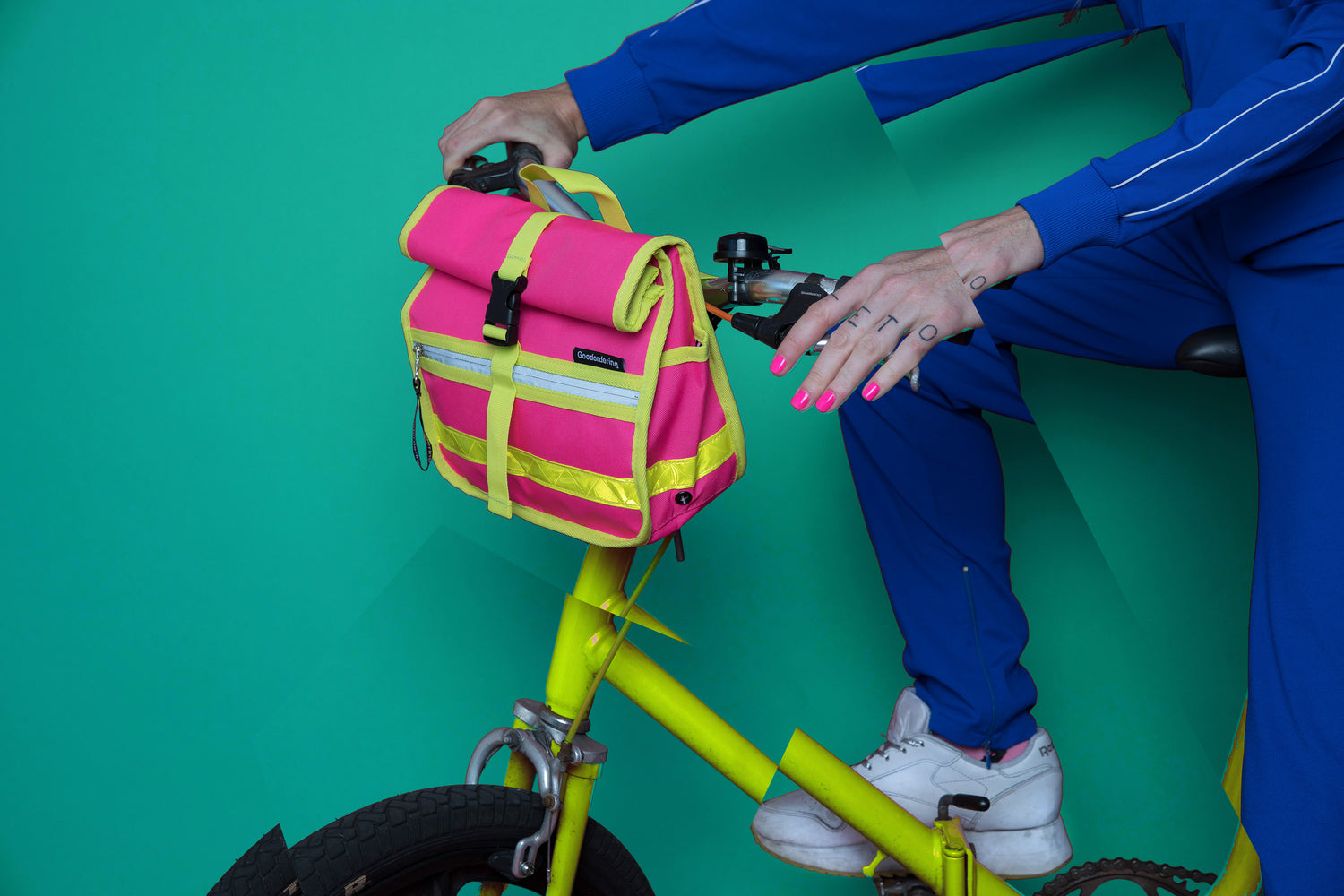
- Pannier bags - check out Goodordering's convertible pannier bags
- Frame bags (inside the bike triangle)
- Saddle bags (mounted under the seat)
- Handlebar rolls (for sleeping gear)
These are designed to keep weight balanced and secure.
3. Camping Gear
Lightweight and compact equipment is crucial:
- Tent or bivvy bag
- Sleeping bag
- Sleeping mat
4. Clothing
Pack versatile, weather-appropriate clothing. In the UK, waterproofs are essential.
5. Tools and Spares
Always carry (and know how to use)
- Multi-tool
- Spare inner tubes
- Pump
- Basic repair kit
6. Food and Water Supplies
Depending on your route, you may need a portable stove and water filtration system. Packing lightweight dehydrated food will help with portability, and snacks to eat whilst you are riding are also a great hack.

How to Get Started
Starting bike packing is easier than it might seem.
Begin Small
Start with an overnight trip close to home. This helps you test your gear and build confidence.
Plan Your Route
Choose beginner-friendly routes with access to campsites or facilities. National cycle routes or forest trails are a great starting point.
Pack Light
One of the most common mistakes is overpacking. Focus on essentials and keep weight manageable.

Check Your Bike
Before setting off, ensure your bike is well-maintained. A simple mechanical issue can become a major problem in remote areas. Get trained up in basic bicycle maintenance will help with your confidence. Fixing punctures is a must.
Build Gradually
As you gain experience, you can tackle longer distances and more challenging terrain.
How Does Bike Packing Compare in Cost to Other Holidays?
One of the biggest advantages of bike packing is its affordability.

Initial Investment
There can be upfront costs for gear and equipment, particularly if you need to purchase a suitable bike and camping kit. However, much of this is a one-off expense.

Ongoing Costs
Once equipped, costs are minimal:
- Campsites are often inexpensive or even free (wild camping where permitted)
- Food costs are similar to everyday spending
- No flights, fuel or expensive accommodation
Compared to traditional holidays—especially international travel—bike packing can be significantly cheaper over time.

Advantages of Bike Packing
1. Freedom and Flexibility
You can travel at your own pace and change plans easily. If the weather is bad you can stay in one place for longer or switch up your itinerary depending how you are feeling.
2. Connection with Nature
Bike packing allows you to experience landscapes up close, far from crowded tourist areas.
3. Physical and Mental Benefits
Cycling improves fitness, while time outdoors supports mental wellbeing. There are so many benefits to being in nature
- Reduces stress and anxiety: Time in nature lowers cortisol levels and helps calm the mind, improving overall emotional wellbeing.
- Boosts mood and mental clarity: Exposure to green spaces can enhance focus, creativity, and reduce symptoms of depression.
- Improves physical health: Walking or being active outdoors supports cardiovascular health, strengthens muscles, and boosts immunity.
- Enhances sleep quality: Natural light helps regulate your circadian rhythm, leading to deeper, more restful sleep.
- Increases energy and resilience: Fresh air and natural environments can reduce fatigue and improve overall energy levels.

4. Sustainable Travel
It’s an environmentally friendly way to explore, with a very low carbon footprint. Check out our other articles on sustainability here.
5. Sense of Achievement
Completing a journey under your own power is incredibly rewarding.
Disadvantages of Bike Packing

1. Physical Demands
Long distances and carrying gear can be challenging, especially for beginners.
2. Weather Dependence
In the UK, unpredictable weather can make trips uncomfortable or difficult.
3. Limited Comfort
Sleeping outdoors and carrying minimal gear means sacrificing some comforts.
4. Planning Required
While flexible, successful trips still require preparation and route planning.
5. Safety Considerations
Remote areas can pose risks, so navigation skills and emergency preparedness are important.
This article from Bikepacking.com is a great one for identifying and addressing common mistakes people make when bikepacking, its worth a read and comes from the writer's personal experiences.
Conclusion
Bike packing offers a unique and rewarding way to travel, blending adventure, simplicity and sustainability. While it requires some preparation and physical effort, the benefits far outweigh the challenges for many people.
Whether you’re looking for a budget-friendly holiday or a new way to explore the outdoors, bike packing is an accessible and enriching option. Start small, learn as you go, and you may find it becomes one of your favourite ways to travel.

——————————————
If you like this article please follow me @Goodordering or @jacqui__ma . This blog is a semi-organised brain dump of everything that inspires, perplexes or catches my eye! I am a designer, trend forecaster and independent brand founder living in East London, UK with my rainbow family. For advertising or collaborations please contact jacqui@goodordering.com